

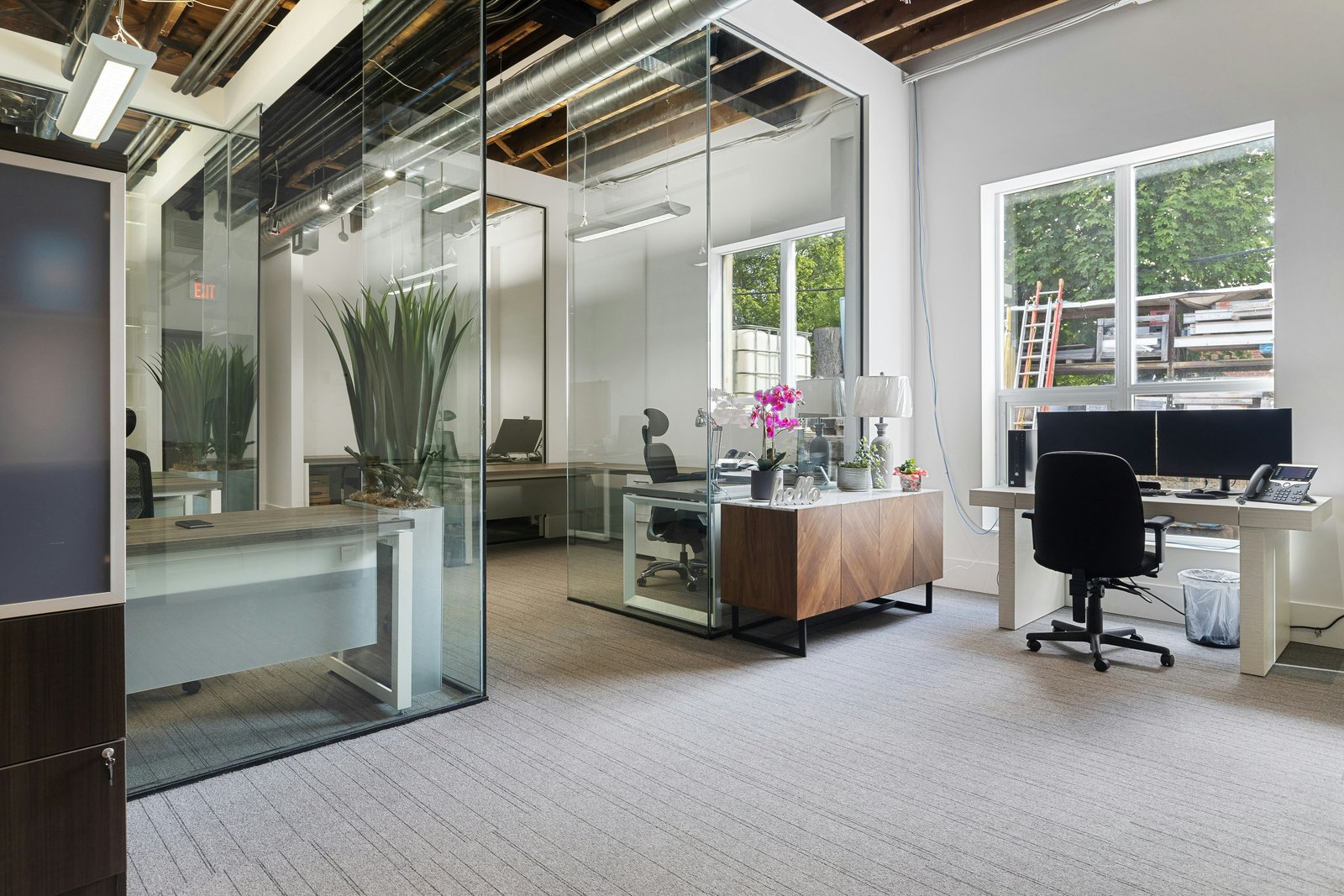
Maintaining a clean and organised office is important for productivity, employee wellbeing, and creating a good impression on clients. A tidy workplace helps employees focus better, reduces health risks, and helps businesses maintain a professional environment. However, keeping an office clean all the time requires a clear plan and regular attention.
Using a well-planned office cleaning checklist helps make sure that important cleaning tasks are done regularly and that the workplace stays hygienic and welcoming. Below are seven practical tips that can help businesses maintain a cleaner and healthier workplace.
1. Establish a Daily Office Cleaning Routine
A daily cleaning routine helps stop dirt, dust, and clutter from building up in the workplace. Doing small cleaning tasks each day keeps the office neat and easy to manage.
Daily office cleaning tasks should include:
• Emptying waste bins and replacing liners
• Wiping desks, tables, and work surfaces
• Cleaning reception areas
• Vacuuming high-traffic areas
• Organising office supplies and documents
Consistency in daily office cleaning helps the office stay tidy and professional throughout the week.
2. Prioritise High-Touch Surfaces
High-touch surfaces are areas that employees and visitors touch often. These surfaces can easily collect germs and bacteria if they are not cleaned regularly.
Common high-touch areas include:
• Door handles and push plates
• Light switches
• Computer keyboards and mice
• Telephones and shared office equipment
• Elevator buttons and touch screens
Cleaning and disinfecting these surfaces regularly helps reduce the spread of germs and supports a healthier work environment.
At Xpect Group, we tailor your office cleaning to suit your business’s needs and always make sure that high-traffic areas are cleaned thoroughly.
3. Keep Workstations Organised
A clutter-free workstation makes an office look more professional and helps employees stay productive. When desks are messy, it becomes harder to clean and maintain the workspace.
Simple ways to keep workstations tidy include:
• Removing unnecessary paperwork
• Using desk organisers and storage trays
• Cleaning desks with disinfectant wipes
• Arranging cables and office equipment neatly
Encouraging employees to keep their desks organised helps improve overall workplace cleanliness.
4. Maintain Floors and Carpets Regularly
Office floors get a lot of foot traffic, so they collect dust and debris quickly. Regular cleaning helps keep floors looking clean and also extends the life of the flooring materials.
Floor cleaning tasks include:
• Vacuuming carpets to remove dust and dirt
• Sweeping and mopping hard floors
• Cleaning spills immediately to prevent stains
• Scheduling occasional deep carpet cleaning
Clean floors improve the appearance of the office and also help prevent slip hazards in the workplace.
5. Ensure Restrooms Are Hygienic
Clean restrooms are an important part of workplace hygiene. Employees and visitors expect restrooms to be clean, comfortable, and well maintained.
Restroom cleaning should include:
• Disinfecting toilets, sinks, and countertops
• Cleaning mirrors and faucets
• Restocking soap, paper towels, and toilet paper
• Emptying sanitary bins regularly
• Mopping floors and removing stains
Maintaining restroom cleanliness helps create a positive experience for everyone who uses the facilities.
6. Keep Kitchen and Break Areas Clean
Office kitchens and break rooms are shared spaces where employees prepare food and relax. These areas can become messy quickly if they are not cleaned often.
Important kitchen cleaning tasks include:
• Wiping countertops and tables
• Cleaning sinks and faucets
• Sanitising microwaves and refrigerators
• Disposing of food waste quickly
• Washing dishes or loading them into the dishwasher
Keeping these areas clean helps prevent unpleasant odours, bacteria growth, and pest problems.
7. Schedule Professional Deep Cleaning
While daily cleaning helps maintain general cleanliness, regular deep cleaning is also important for long-term hygiene. Professional cleaning services can handle detailed cleaning tasks that are often missed during routine cleaning.
Professional deep cleaning may include:
• Carpet steam cleaning
• Window and glass cleaning
• Upholstery and furniture cleaning
• Detailed floor polishing
• Sanitising hard-to-reach areas
Regular deep cleaning helps keep the office environment fresh, hygienic, and well maintained.
Final Thoughts
Maintaining a clean workplace requires regular effort and a clear cleaning plan. By following a structured office cleaning checklist, businesses can make sure that important areas such as desks, floors, restrooms, and shared spaces stay clean and organised.
Using these seven cleaning tips can help create a healthier and more productive work environment while maintaining a professional image for employees, clients, and visitors. Contact Us Now
